Spokane County · ZIPs 99016 · 99037 · 99206 · 99212 · 99216
Water damage restoration in Spokane Valley, WA
Spokane Valley stretches along the Spokane River east of Spokane, and its water-damage profile splits by elevation: river-adjacent and low-lying homes deal with groundwater and spring runoff, while the Valley's large stock of 1960s–1990s homes deals with aging plumbing, crawlspace leaks, and water heaters at the end of their lives on hard water.
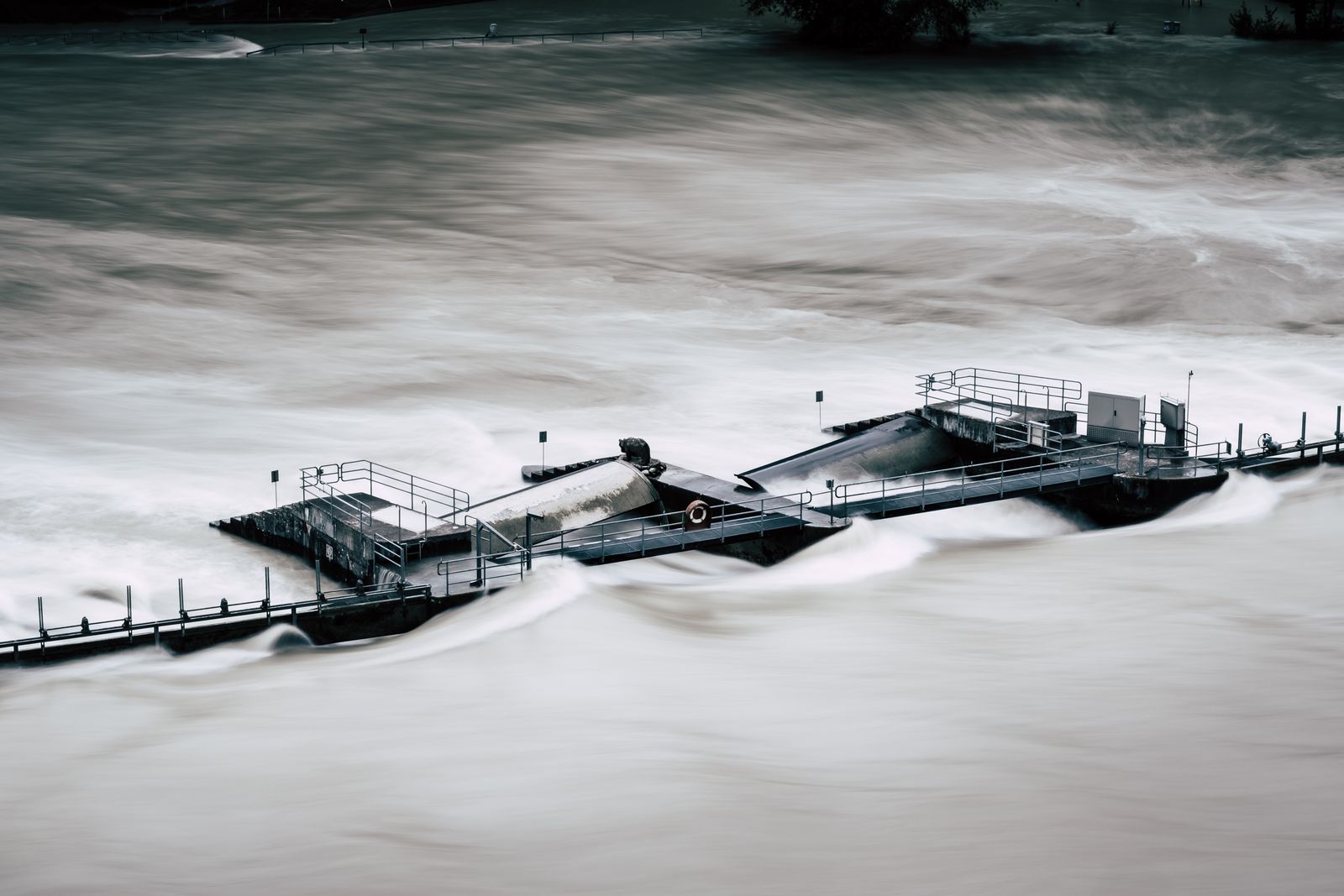
The Valley floor sits directly over the Spokane Valley–Rathdrum Prairie Aquifer — one of the most productive aquifers in the Northwest — which is a blessing for wells and a recurring problem for basements. When the Spokane River runs high in spring, groundwater rises with it, and homes in the lower Valley near the river see sump pits fill and basement floors weep even without rain.
Much of Spokane Valley was built in postwar and late-20th-century waves: ranch homes on crawlspaces, split-levels with daylight basements, and later subdivisions toward Dishman Hills. Crawlspace homes hide leaks longest — a pinhole in a galvanized or early copper line can drip for a season before the subfloor softens — while daylight basements flood from window wells and failed pumps.
The Valley also carries a large renter and multi-family stock along Sprague Avenue, where a single upstairs supply-line failure cascades through multiple units. For landlords and managers, documentation and fast extraction protect both the building and the deposit-and-habitability conversation that follows.
Winter deserves its own warning in the Valley. Cold air draining off the surrounding hills pools on the Valley floor, and Spokane Valley routinely runs colder on clear January nights than the city of Spokane itself. That is why Valley crawlspace pipes and garage lines freeze in houses whose owners did everything right in a normal winter — the margin is simply thinner here, and insulation plus a trickling faucet on the coldest nights is cheap insurance.
Top water risks in Spokane Valley
- High groundwater and Spokane River spring levels pushing water into basements
- Aging plumbing and water heaters in 1960s–1990s Valley homes
- Crawlspace leaks hidden until subfloors soften
- Multi-unit supply-line failures along the Sprague corridor
- Frozen pipes in unheated crawlspaces during cold snaps
Housing in Spokane Valley
Mixed eras: postwar ranches on crawlspaces, 1970s–90s split-levels and subdivisions, newer builds toward the Valley's edges, plus apartments and condos along Sprague Ave.
Services in Spokane Valley
Emergency Water Extraction
Standing water removed with truck-mounted and portable extractors, then a drying plan for floors, walls, and contents.
Structural Drying
Measured drying of walls, floors, and framing with air movers and dehumidifiers — verified with moisture readings, not guesswork.
Burst & Frozen Pipe Cleanup
Cleanup after pipes freeze and burst — the #1 winter water loss in Spokane County — including crawlspace and wall-cavity water.
Basement Flooding Cleanup
Flooded basement pump-out, extraction, drying, and contents triage — from snowmelt seepage to sump failures.
Crawl Space Water Removal
Standing water, mud, and saturated insulation removed from crawlspaces — the hidden loss that rots subfloors from below.
Sewage Backup Cleanup
Contaminated-water cleanup after sewer or septic backups — handled as a health hazard, with removal, disinfection, and disposal.
Mold Remediation After Water Damage
Mold cleanup that follows a water loss — containment, removal of affected materials, and fixing the moisture source so it stays gone.
Flood Cleanup
Cleanup after outside water enters the home — river, storm, and snowmelt flooding — with extraction, removal, and drying.
Water Heater & Appliance Leak Cleanup
Cleanup for water heater failures, washing machine hoses, dishwasher and ice-maker leaks — the slow leaks that ruin floors quietly.
Spokane Valley questions
Yes — crawlspace and slab homes hide leaks differently. Watch for soft floors, rising water bills, and musty smells. A moisture inspection under the home finds what the living space hides.
Nearby areas
Liberty Lake, WAGreenacres, WAVeradale, WAOtis Orchards, WANewman Lake, WASpokane, WAPost Falls, IDCoeur d'Alene, IDHayden, IDRathdrum, IDAirway Heights, WAMedical Lake, WACheney, WADeer Park, WAMillwood, WA